Yeah… I’ve seen this go wrong a hundred different ways.
Guy buys a “long range” drone, throws on random goggles, flies 500 meters… video drops, failsafe kicks in, drone gone. Then he thinks long range is a scam.
It’s not.
But the setup has to be right as a system, not random parts.
Let’s fix that.
The #1 Reason Long Range Setups Fail (And How To Check It)
It’s almost never the drone.
It’s the video link and radio link mismatch.
Here’s what actually matters:
- Your goggles must match your video system
- Your radio must match your receiver protocol
- Your antennas must be built for distance, not freestyle
Miss one of these and your “10 km drone” becomes a 300-meter toy.
Quick check right now:
- Analog goggles + digital drone? ❌ won’t work
- DJI goggles + analog VTX? ❌ won’t work
- ELRS radio + FrSky receiver? ❌ no control
That’s the stuff nobody tells beginners.
What “Long Range FPV” Really Means (Not What You Think)
People hear long range and think speed or size.
Wrong.
Long range is about link stability over distance, not how fast the drone goes.
Three systems decide everything:
- Video system (what you see)
- Control link (what you fly with)
- Power efficiency (how long it stays up)
Mess up any one of those → your range collapses.
The Three Real Long-Range Video Systems (Pick One — Don’t Mix)
Analog (Old School, Still Used)


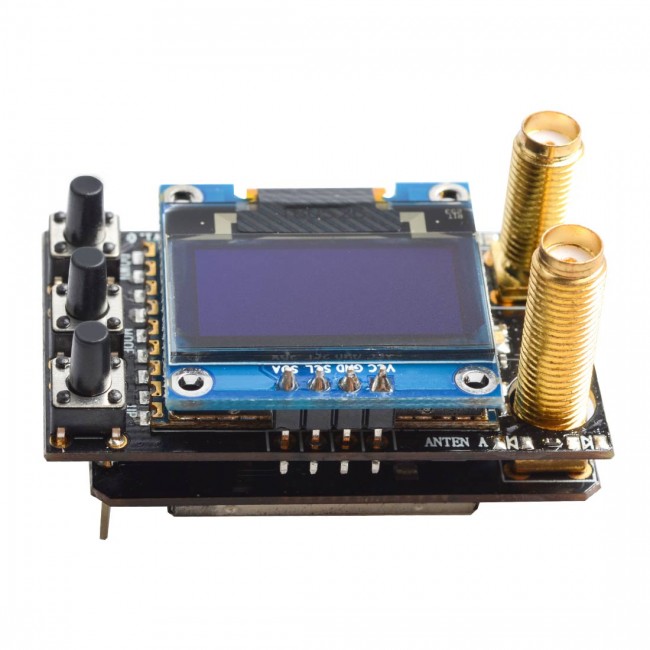

- Cheap
- Very long range possible
- Static increases gradually (you get warning)
But… image quality is trash compared to digital.
Still used for extreme range because it’s predictable.
Best for: budget long range, experienced pilots
DJI Digital FPV System (Most Popular)


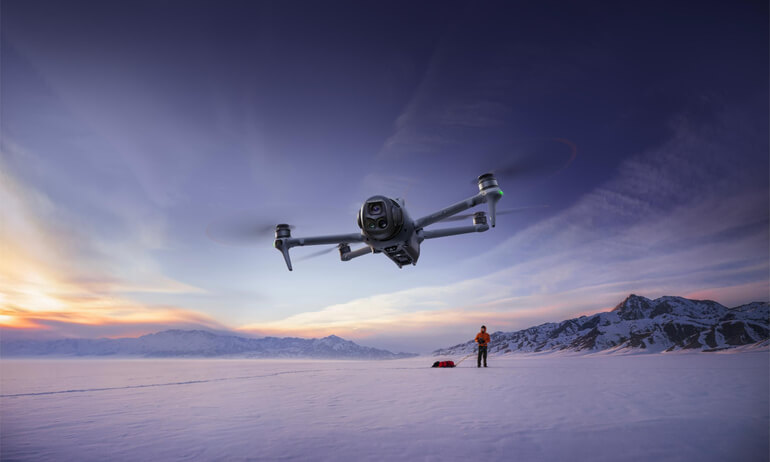

- HD video
- Strong signal
- Plug-and-play ecosystem
But here’s the catch:
Range depends heavily on antennas and environment, not DJI marketing numbers.
Best for: most people (seriously)
Walksnail / HDZero (Niche but Growing)
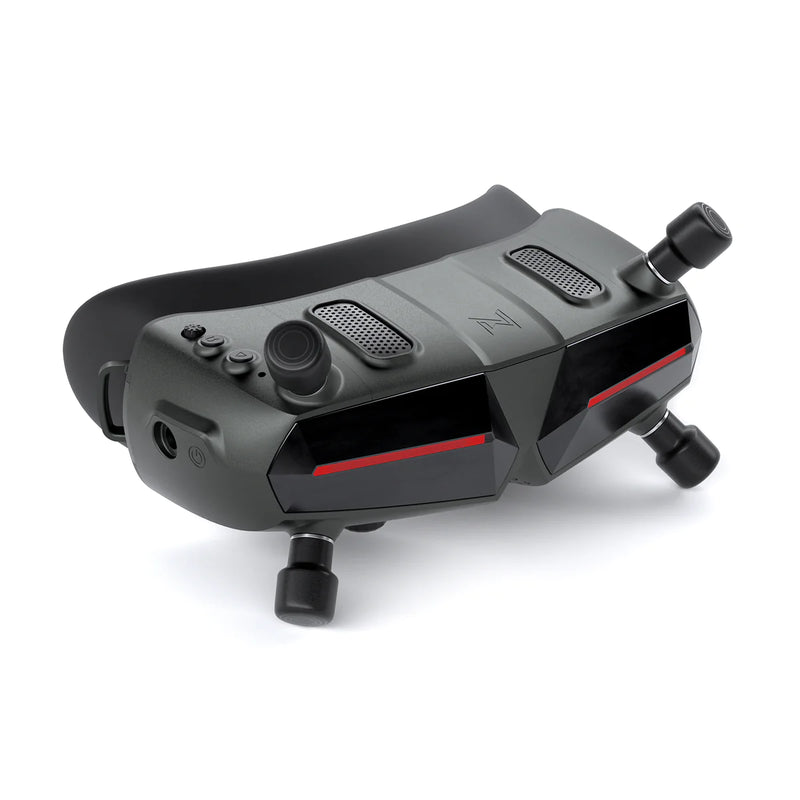
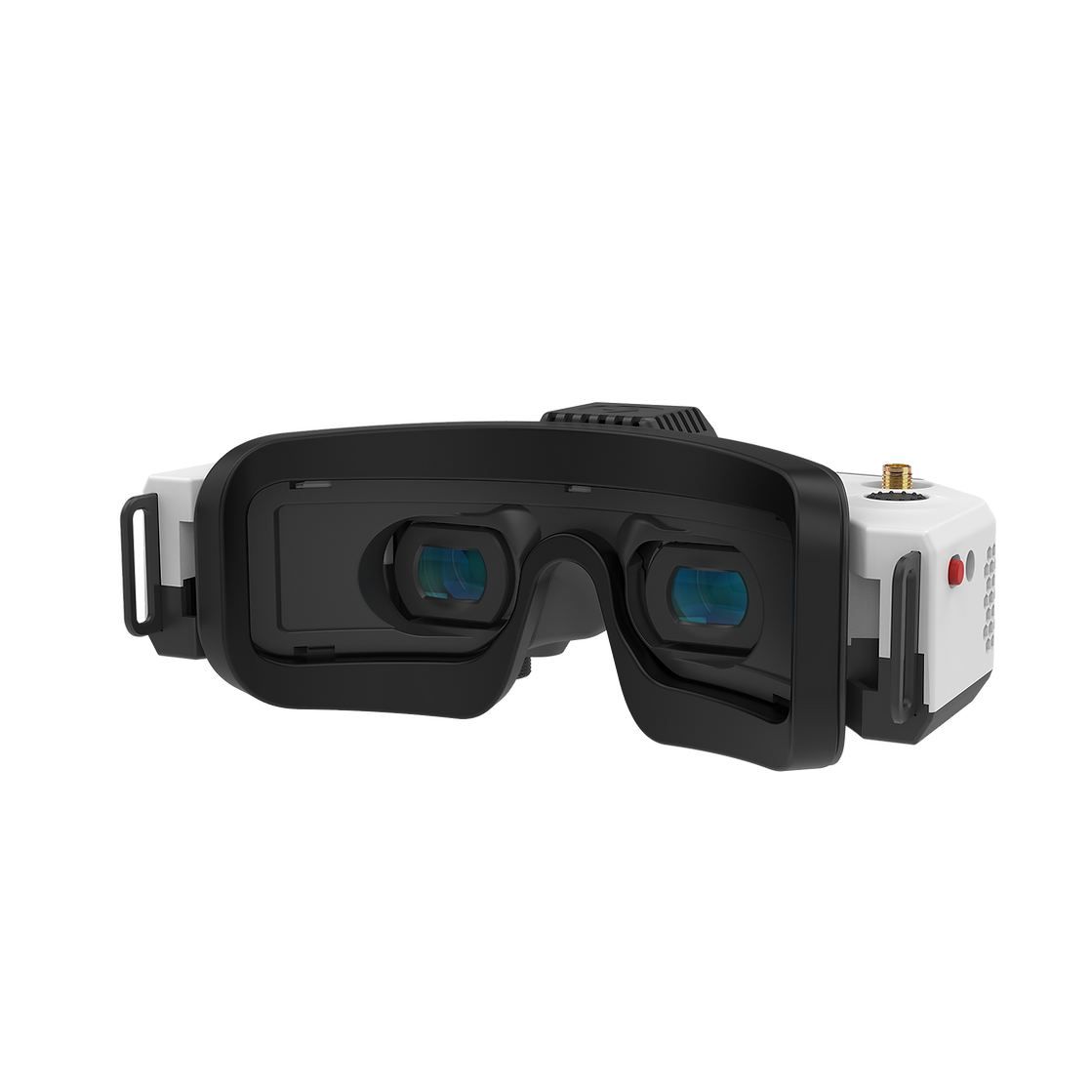

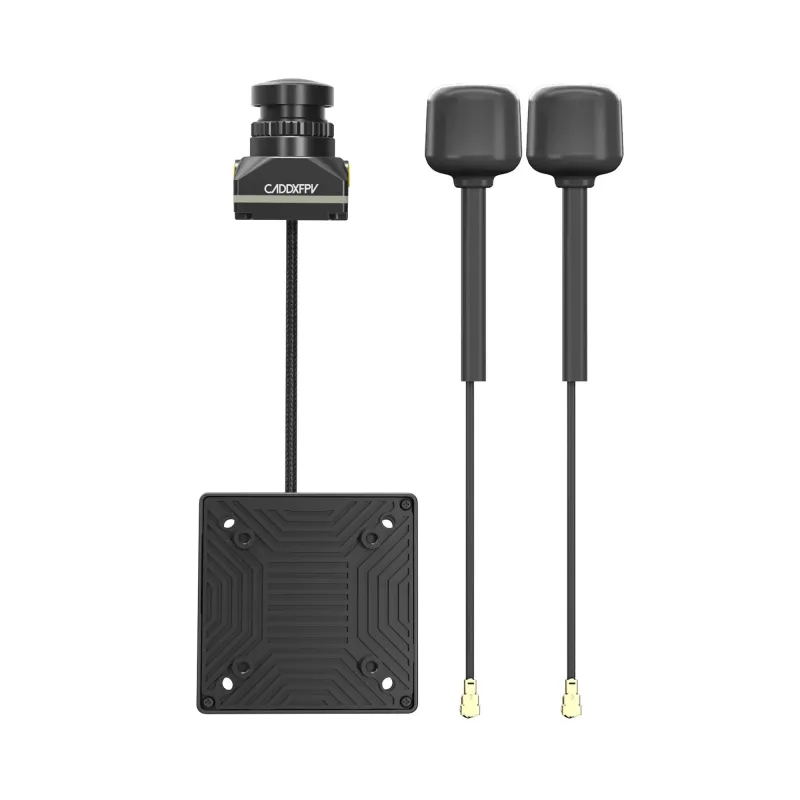
- Walksnail = better image
- HDZero = ultra low latency
Range? Good, but setup matters more than the system itself.
The Part Everyone Ignores: Your Radio Link (This Is What Saves Your Drone)
You can lose video and still recover.
Lose control? Drone’s gone.
That’s why long range pilots switched to:
- ExpressLRS (ELRS) — current king
- Crossfire — still solid, but aging
Why ELRS wins:
- Massive range
- Better penetration
- Lower latency
- Cheap receivers
If you’re building long range and NOT using ELRS, you’re making life harder for no reason.
Antennas: The Silent Killer of Range
This is where most setups quietly fail.
Stock antennas are garbage for long range.
You need:
On the Drone
- Lightweight antenna
- Good orientation (not buried in carbon)
On Your Goggles
- Directional antenna (patch) → shoots signal forward
- Omni antenna → covers around you
Use both together. That’s called diversity.
Quick Setup Comparison (This Helps You Decide Fast)
| Setup Type | Range Potential | Difficulty | Cost | Who It’s For |
|---|---|---|---|---|
| Analog + ELRS | Very High | Medium | Low | Budget long range |
| DJI + ELRS | High | Easy | Medium-High | Most people |
| Walksnail + ELRS | High | Medium | Medium | Tinkerers |
| HDZero + ELRS | Medium | Medium | Medium | Racers, low latency |
The “Why Did My Signal Drop Suddenly?” Problem
This is the one that frustrates everyone.
You’re flying fine… then boom, black screen or failsafe.
Here’s what’s actually happening:
- You flew behind something (trees, hill, building)
- Your antennas weren’t pointing correctly
- Your output power was too low
- You hit RF noise (WiFi, towers, etc.)
Long range is mostly about line of sight.
Even a few trees can destroy signal at distance.
The Simple Setup That Just Works (No Overthinking)
If someone asked me to build a reliable long-range setup today:
- DJI O3 (or similar DJI system)
- ELRS radio + receiver
- 7-inch efficient drone (not 5-inch freestyle)
- Li-ion battery (not LiPo for endurance)
- Patch + omni antennas on goggles
That combo removes 90% of beginner mistakes.
The Weird Edge Case Nobody Warns You About
Cold weather.
Yeah.
Battery voltage drops faster → drone triggers low voltage → forced landing miles away.
Also:
- GPS fails to lock properly sometimes
- Signal behaves weird in fog/mist
Seen drones lost not because of range… but because of environment.
Can You Really Go 10km+?
Yes.
But only if:
- You understand antenna direction
- You maintain line of sight
- You manage battery properly
- You don’t panic when video degrades
Most people don’t fail because of gear.
They fail because they fly like it’s a freestyle quad… just farther away.
Different mindset.
Still Getting Weak Range? Check These First
Don’t guess. Run through this:
- Are your goggles compatible with your video system?
- Are you using ELRS or something outdated?
- Are your antennas upgraded or still stock?
- Is your antenna orientation correct?
- Are you flying behind obstacles?
- Is your VTX power set to max? (people forget this constantly)
That last one alone fixes half the “bad range” complaints.
The One Thing I Wish Everyone Knew From Day One
Long range FPV isn’t about pushing distance.
It’s about maintaining a clean, stable link the entire time.
Distance is just a side effect.
Get the system right, respect how signal actually behaves, and suddenly everything works.
Ignore that… and you’ll keep losing drones wondering why.
That’s the difference.