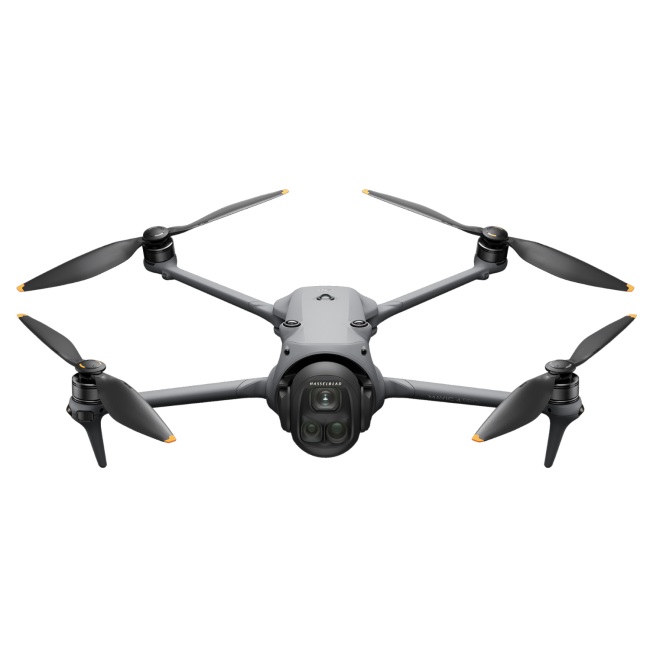

Let’s clear something up immediately.
There is no officially released “Mavic Air 4” (at least not at the level people think).
This is where people get stuck and frustrated. You search for it, see rumors, YouTube leaks, fake listings, and suddenly you’re not sure what’s real.
I’ve seen this exact confusion dozens of times.
Here’s what’s actually going on:
- DJI dropped the “Mavic Air” branding after the Air 2
- The lineup evolved into “Air series” → Air 2S → Air 3
- Anything called “Mavic Air 4” right now is:
- Rumor
- Mislabel
- Or someone rebranding the DJI Air 3
So if you’re here trying to buy or understand Air 4 — what you actually want is Air 3 (or what’s coming next).
Now let’s break it down properly so you don’t make a bad decision.
The Model Confusion That Trips Everyone
Here’s the real lineup evolution:
| Old Naming | New Naming | What It Means |
|---|---|---|
| Mavic Air | Air | Same category, just rebranded |
| Mavic Air 2 | Air 2 / Air 2S | Mid-range performance drones |
| (Expected) Mavic Air 3/4 | Air 3 (current) | Dual-camera system introduced |
The mistake people make:
They assume “Air 4” exists because:
- DJI uses numbers everywhere
- Other brands increment cleanly
- Leaks mention future models
DJI doesn’t follow clean numbering logic. Never has.
What People Think Air 4 Should Be (And Why It Matters)
This is important because it tells you what features you’re actually chasing.
When someone says “Air 4”, they usually mean:
- Better camera than Air 3
- Longer battery
- Improved obstacle avoidance
- More range
- Maybe 1-inch sensor return
Here’s the thing:
Most of that already exists in Air 3.
Let’s ground this.
The Closest Real Thing: DJI Air 3


This is what you’re actually looking at when you search “Air 4”.
Core Specs That Matter (Not Marketing Stuff)
- Dual camera system
- Wide (24mm equivalent)
- Telephoto (70mm equivalent)
- 1/1.3” sensors (both cameras)
- Up to 46 minutes flight time
- Omnidirectional obstacle avoidance
- O4 transmission (massive range stability upgrade)
- 4K up to 100fps
The dual camera setup is the biggest shift.
Once you use it, you stop caring about single-sensor upgrades.
The #1 Thing People Get Wrong About These Drones
They chase specs instead of use case.
Let me simplify it.
You’re not buying a sensor.
You’re buying shots you can actually capture without crashing or missing the moment.
That’s where Air 3 already nails it:
- Telephoto = compression shots without flying dangerously close
- Better battery = fewer rushed decisions
- Stronger signal = less panic when range increases
That combination beats a slightly bigger sensor in real-world use.
Camera Reality — Stop Comparing It Wrong
Here’s where most buyers mess up.
They compare like this:
- “Air 2S has 1-inch sensor → better than Air 3”
That’s incomplete.
Here’s the real comparison:
| Feature | Air 2S | Air 3 |
|---|---|---|
| Sensor | 1-inch | Dual 1/1.3” |
| Cameras | 1 | 2 (wide + tele) |
| Flexibility | Limited | High |
| Flight time | ~31 min | ~46 min |
| Obstacle sensing | 4-way | Omnidirectional |
In practice? Air 3 wins for 90% of users.
Unless you:
- Shoot strictly low-light
- Or color-grade heavily for cinema work
The Simple Fix Most People Overlook
They buy the wrong controller.
You’ve got two options:
- Standard RC-N style (uses phone)
- DJI RC 2 (built-in screen)
Here’s the mistake:
People cheap out and go with the phone controller.
Then they deal with:
- Cable issues
- Notifications interrupting flights
- Screen brightness problems
Fix it upfront: get the RC 2.
It removes friction. Completely.
Battery Expectations — What Nobody Explains Properly
You’ll see “46 minutes” everywhere.
That’s lab conditions.
Real world:
- Wind → cuts it down fast
- Aggressive flying → drains quicker
- Cold weather → brutal drop
What you’ll actually get:
- 28–35 minutes usable flight
Still excellent. But don’t plan missions based on marketing numbers.
Transmission & Range — The Quiet Upgrade That Changes Everything
O4 transmission is one of those upgrades people ignore… until they use it.
Compared to older systems:
- Stronger signal penetration
- Less video lag
- More stable feed
This matters when:
- Flying behind trees/buildings
- Shooting moving subjects
- Operating in urban interference
Confidence goes up. Mistakes go down.
The Crash Reality (This Is Where Experience Shows)
Even with obstacle avoidance, people crash these.
Why?
Because they trust automation too much.
Obstacle sensing fails when:
- Thin branches
- Power lines
- Low light
- Reflective surfaces
Rule that saves drones:
If you wouldn’t fly there manually, don’t trust sensors.
“Should I Wait for Air 4?” — The Honest Answer
Short answer:
No. Not unless you have a specific reason.
Here’s how I decide:
Wait if:
- You don’t need a drone right now
- You already own Air 2S or better
- You want cutting-edge (and will pay for it)
Buy Air 3 if:
- You’re upgrading from older models
- You need reliability today
- You want best balance of price/performance
Waiting for DJI is a gamble. Release cycles aren’t predictable anymore.
The Weird Edge Case Nobody Talks About
People upgrading from DJI Mini 3 Pro
They assume Air 3 is just “bigger and better”.
Not always.
What they don’t expect:
- Heavier → more regulated in some regions
- Louder → more attention
- Less discreet
If you value stealth and portability:
Mini series still wins.
Quick Diagnostic: Are You Even the Right Buyer?
Answer these honestly:
- Do you need zoom shots without flying closer? → Air 3
- Do you shoot in windy environments? → Air 3
- Do you travel ultra-light? → Mini series
- Do you shoot cinematic low-light? → Consider DJI Mavic 3 Pro
If you don’t know — you’re probably an Air 3 user.
The Setup Mistake That Ruins First Flights
People rush.
Then they get:
- Compass errors
- GPS issues
- Weird drifting
Before first flight:
- Calibrate the compass in an open space
- Wait for full GPS lock
- Update firmware completely
- Format the SD card inside the drone
Do this once. Saves hours of confusion later.
The “It Flew Away” Myth (What Actually Happened)
Almost always:
- Weak GPS lock at takeoff
- Home point not updated
- Flying behind signal obstruction
Then panic kicks in.
Fix: wait for home point confirmation. Always.
You’ll hear it say it. Don’t ignore it.
Accessories That Actually Matter (Skip the Junk)
Useful:
- Extra batteries (minimum 3 total)
- ND filters (only if you shoot video seriously)
- High-speed SD cards (don’t cheap out)
Skip:
- Landing pads (unless sandy environment)
- Signal boosters (mostly gimmicks)
- Cheap prop guards (affect flight performance)
The Bottom Line You Needed From The Start
You didn’t need a “Mavic Air 4” guide.
You needed clarity.
Here it is:
- Air 4 isn’t a real buying option right now
- The real choice is Air 3 vs something else
- Air 3 already delivers what most people expect from an “Air 4”
Once you understand that, the confusion disappears.
Now you’re not guessing anymore. You’re choosing.