This whole “under 250 grams” thing? It confuses almost everyone the first time. I’ve had grown men bring me perfectly good drones thinking they bought the wrong one because of some rule they half-understood.
You’re not the problem. The rules are.
Let’s straighten this out properly so you don’t waste money—or worse, buy something that gets you in trouble.
What “Under 250 Grams” Actually Means (And Why Everyone Cares)
Here’s the deal.
In most countries—like the United Kingdom, United States, and most of Europe—250g is the magic line.
Stay under it, and life is easy.
Go over it, and suddenly:
- Registration becomes mandatory
- Certifications may be required
- Flight restrictions get tighter
- Liability expectations increase
Think of it like airport security. Under 250g? You’re in the “carry-on only” line. Over it? Full inspection.
The one thing people miss:
It’s not just about weight—it’s about risk classification.
Under 250g drones are treated like “low risk toys with cameras.”
Over 250g? “Potential hazard.”
That’s why this category matters so much.
The Drones That Actually Matter (Not Marketing Lists)
Let’s cut through the noise. These are the real players from DJI that you’ll see in the field again and again.
DJI Mini Series – The Backbone of Sub-250g Flying

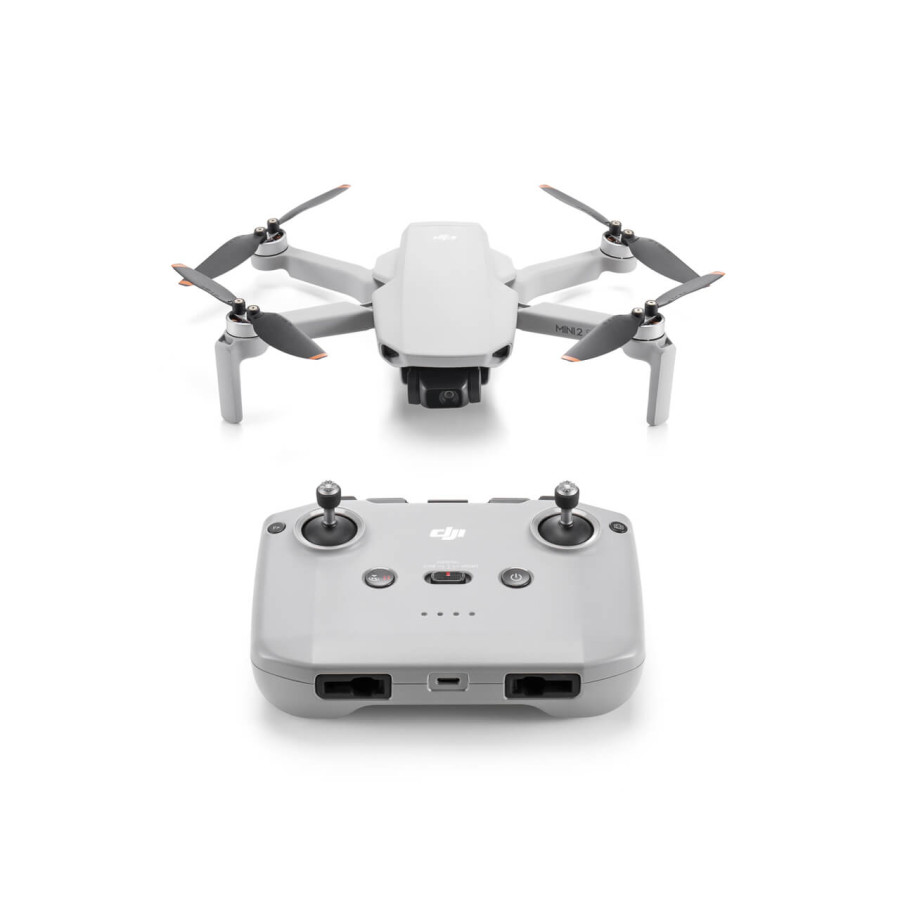
The current lineup that actually matters:
- DJI Mini 4 Pro
- DJI Mini 3 Pro
- DJI Mini 3
- DJI Mini 2 SE
Now here’s the part nobody tells beginners:
They all sit under 250g… but they are NOT the same class of drone.
I’ve seen people buy a Mini 2 SE thinking it’s “basically the same” as a Mini 4 Pro.
It’s not even close.
The #1 Mistake: “They’re All Small, So They’re All Similar”
No. This is where people mess up.
Let me break it down like I would for someone standing in front of me in a shop.
Think of it like this:
| Model | What It Really Is |
|---|---|
| Mini 2 SE | Entry-level camera drone |
| Mini 3 | Budget long-flight drone |
| Mini 3 Pro | Semi-professional tool |
| Mini 4 Pro | Full-featured pro drone in a tiny body |
Same weight class. Completely different capabilities.
The One Thing You Need To Decide First (Before Buying Anything)
Forget specs for a second.
Ask yourself this:
“Am I flying for fun, or am I trying to create something?”
That answer decides everything.
If you’re just flying for fun:
- Mini 2 SE is enough
- You don’t need obstacle sensors
- You don’t need tracking
If you want content (YouTube, reels, business):
- Skip straight to Mini 3 Pro or Mini 4 Pro
- Trust me—this is where people regret cheaping out
I’ve seen it too many times:
Buy cheap → hit limitations → sell → buy again.
Waste of time. Waste of money.
DJI Mini 4 Pro — The One That Fixes Almost Every Complaint

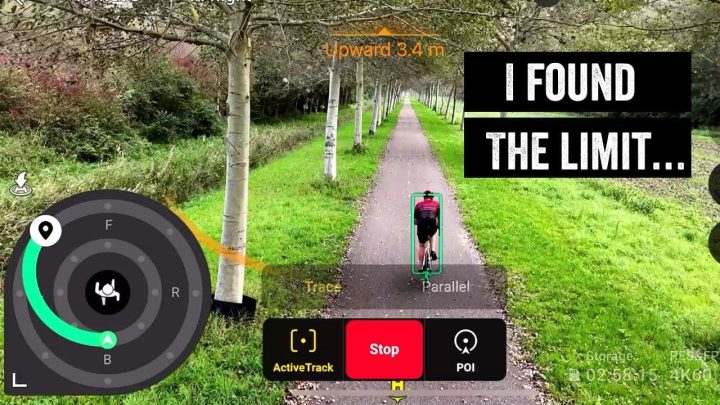
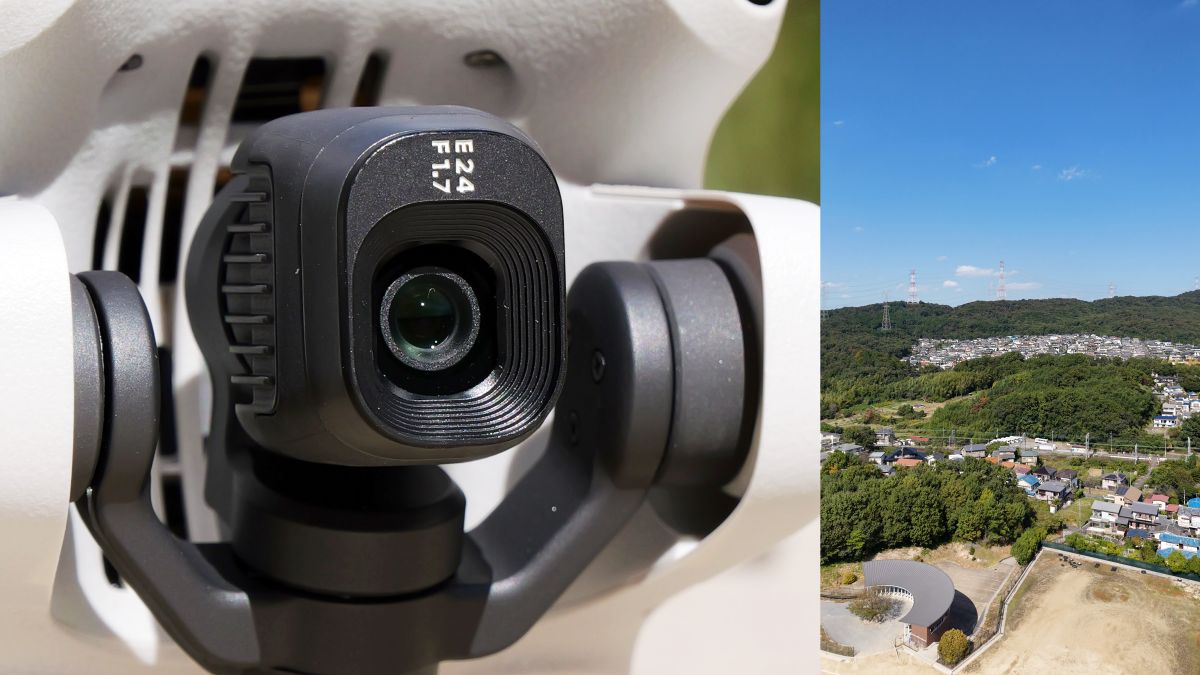
Let’s talk about the DJI Mini 4 Pro properly.
This is the first sub-250g drone where I stopped saying “yeah but…”
What it fixes:
- Full obstacle avoidance (front, back, sides, down)
- Real tracking that actually works
- Vertical shooting without hacks
- Better signal stability (OcuSync 4)
The real-world difference:
You can:
- Fly through trees with confidence
- Track yourself biking or walking
- Shoot content without babysitting the drone
The critical point:
This is the first mini drone that behaves like a “big drone.”
DJI Mini 3 Pro — Still a Beast (If You Find It Cheaper)
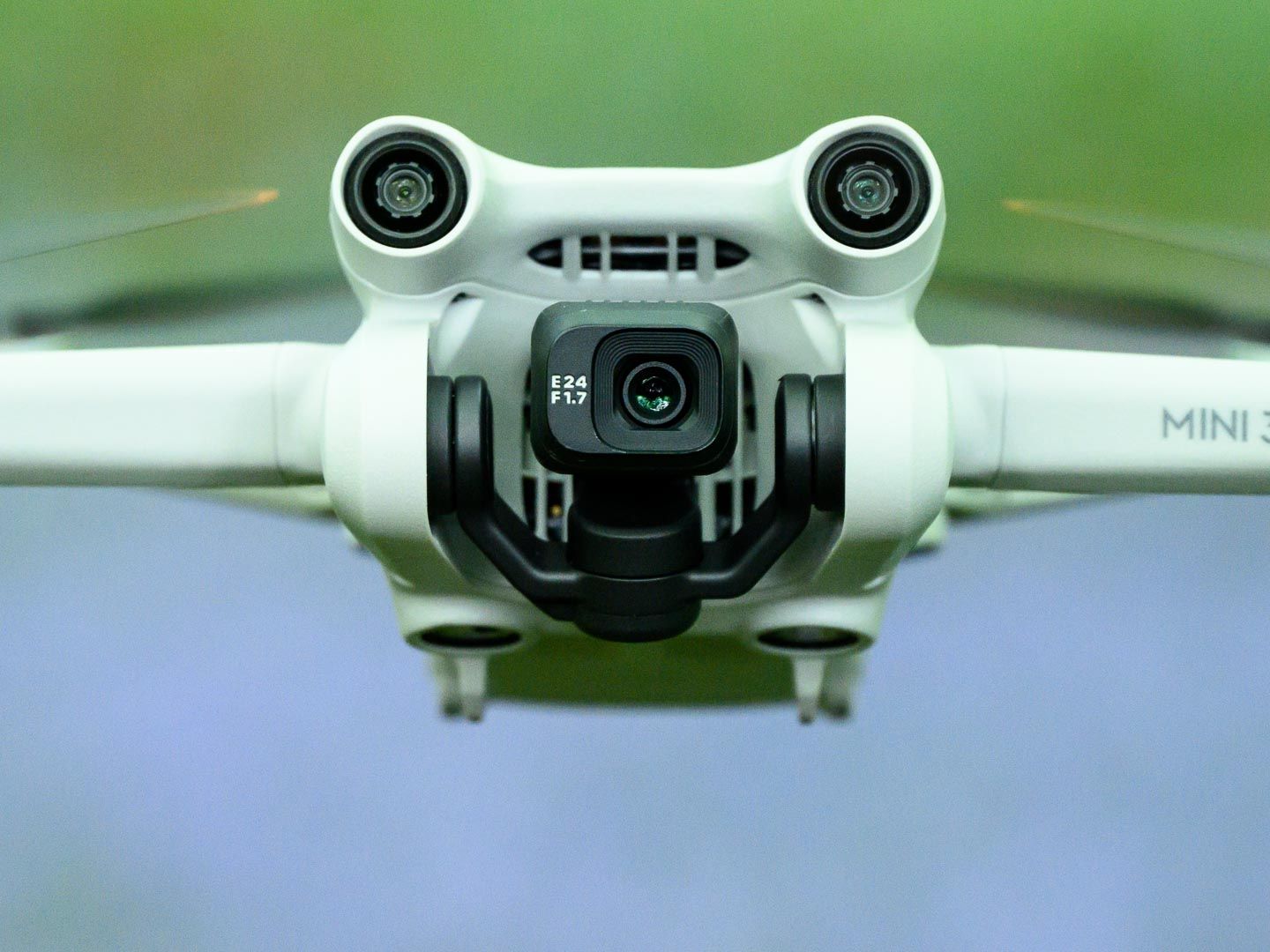
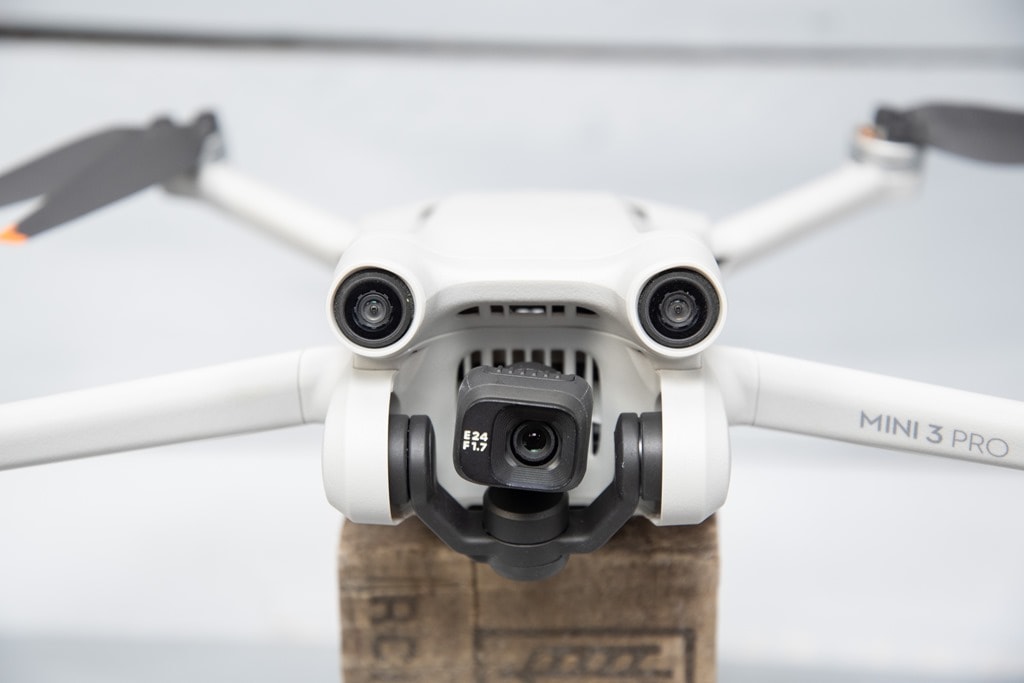
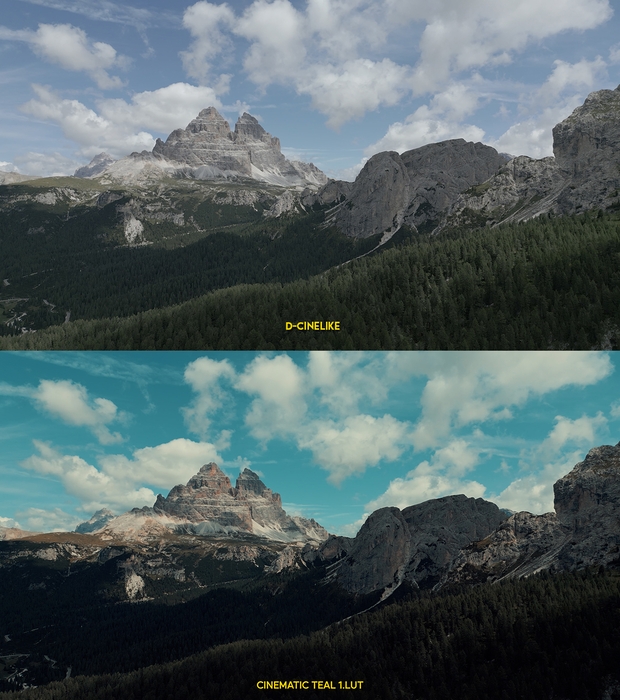
The DJI Mini 3 Pro is still one of the best value drones out there.
But here’s the honest truth:
What it does well:
- Excellent camera
- Vertical shooting
- Decent obstacle avoidance (front + bottom)
Where it falls short:
- No side sensors
- Tracking is weaker
- Slightly older transmission system
Bottom line:
If you’re getting a good discount, it’s worth it.
Otherwise? Go Mini 4 Pro.
DJI Mini 3 — The Quiet Sleeper


4
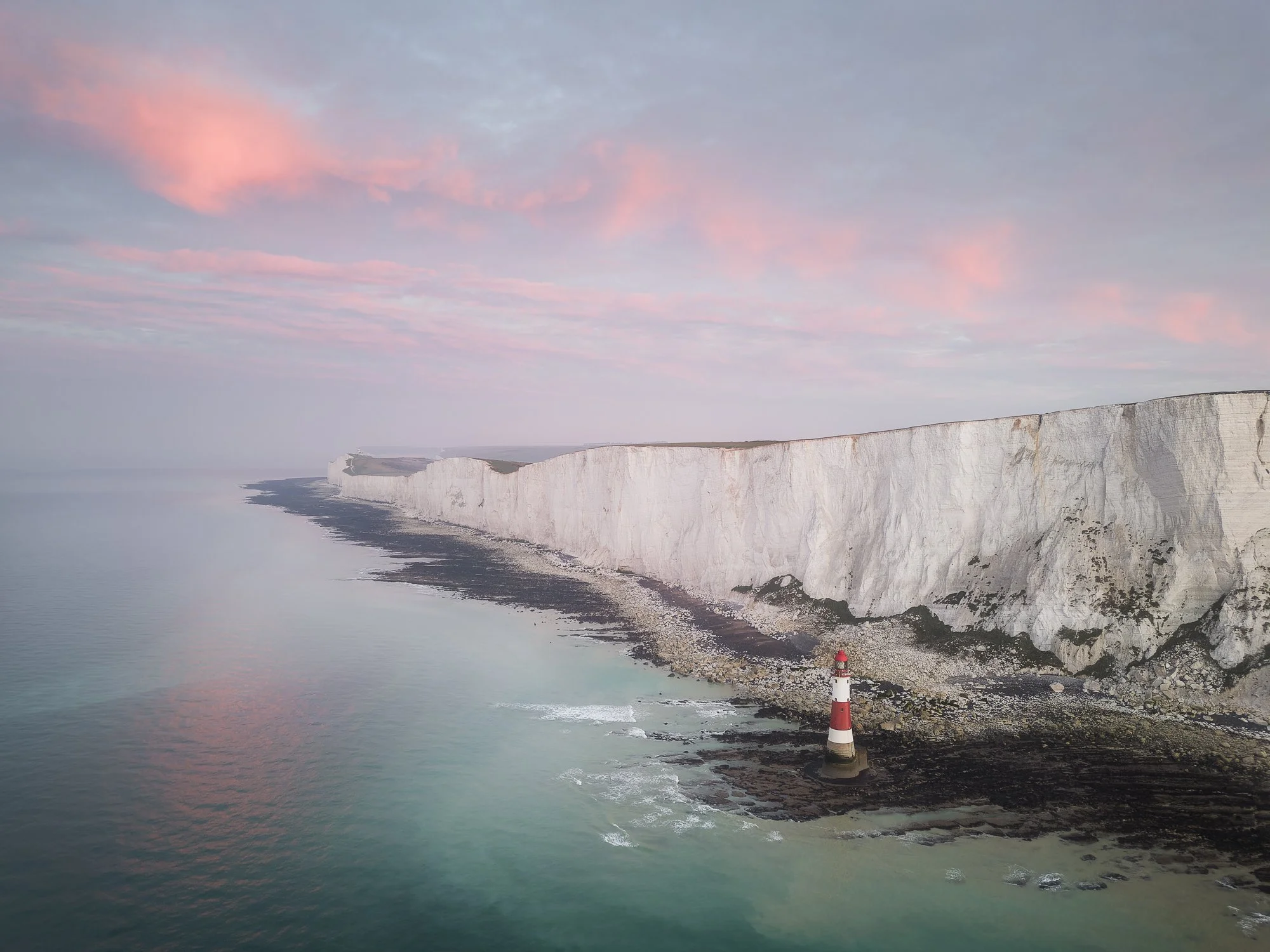
The DJI Mini 3 doesn’t get enough attention.
And honestly, I get why.
It’s not flashy.
But here’s what it nails:
- Ridiculous battery life
- Good camera
- Simple, stable flying
What it lacks:
- No obstacle avoidance
- No advanced tracking
This is for someone who wants:
- Travel shots
- Landscapes
- No stress flying
Not for action. Not for automation.
DJI Mini 2 SE — The Budget Trap (Sometimes)

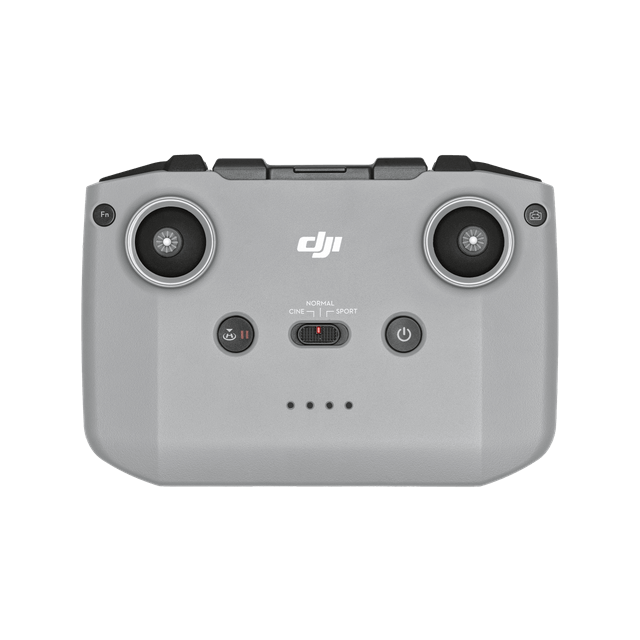

The DJI Mini 2 SE is where most beginners land.
And I’ll be blunt.
It’s good—but only if you understand what you’re buying.
What you get:
- Solid stability
- Decent video
- Reliable connection
What you don’t get:
- Tracking
- Obstacle avoidance
- Advanced camera features
The trap:
People expect it to behave like what they see on Instagram.
It won’t.
The “Why Did My Drone Crash?” Problem (Nobody Warns You About This)
Let me save you from a mistake I’ve seen hundreds of times.
Under 250g drones are:
- Light
- Agile
- And… vulnerable
The real risks:
- Wind drift
- No obstacle sensors (on cheaper models)
- Signal interference in cities
The one thing to remember:
These drones don’t fight wind like heavier drones.
If it feels windy on your face, it’s worse up there.
Wind, Signal, and Reality (Field Truth, Not Specs)
Manufacturers will say:
“Wind resistance level 5.”
That means nothing to beginners.
Here’s the real interpretation:
- Calm day → perfect
- Slight breeze → manageable
- Gusty conditions → dangerous
And cities? Whole different problem.
Interference sources:
- Wi-Fi networks
- Buildings
- Power lines
You’ll see:
- Signal drops
- Video lag
- Sudden warnings
This is normal. Not a faulty drone.
The Law Side (Simple Version, No Legal Jargon)
In the United Kingdom, under 250g gives you freedom—but not unlimited freedom.
You still must:
- Avoid crowds
- Respect privacy
- Keep visual line of sight
What you don’t need (in most cases):
- Complex licensing
- Heavy restrictions
But here’s the catch:
If your drone has a camera, you still need operator registration.
People miss this. A lot.
Controller Choice — The Silent Upgrade That Changes Everything
Nobody talks about this enough.
Two main controller types:
- Phone-based (cheaper)
- Built-in screen (like DJI RC / RC 2)
The difference is massive.
With phone:
- Notifications interrupt
- Bright sunlight kills visibility
- Setup takes longer
With screen controller:
- Instant start
- Better visibility
- More stable experience
If budget allows, always go for the built-in screen.
Battery Reality — What You’ll Actually Get
Manufacturers love numbers.
“34 minutes flight time.”
That’s lab conditions.
Real-world:
- Expect 20–25 minutes
- Less in wind
- Less if filming heavily
Pro tip:
Always buy:
- At least 2 extra batteries
This is the difference between frustration and enjoyment.
The Weird Edge Cases I’ve Seen (You Should Know These)
These are things you won’t find in specs.
1. Compass errors near metal
Flying near:
- Cars
- Bridges
- Steel structures
Drone freaks out.
2. GPS delay on startup
People panic.
Give it:
- 30–60 seconds
- Open sky
3. Return-to-home fails in cities
Tall buildings confuse it.
Always set:
- Proper RTH height
The “I Regret My Purchase” Situations (Avoid These)
Let me save you money.
Regret #1:
Buying cheap → needing tracking later
Regret #2:
Ignoring obstacle avoidance → crashing
Regret #3:
Underestimating wind → losing drone
Regret #4:
Thinking camera = cinema quality automatically
The fix?
Match the drone to your use—not your budget alone.
Quick Comparison Table (No Marketing BS)
| Feature | Mini 2 SE | Mini 3 | Mini 3 Pro | Mini 4 Pro |
|---|---|---|---|---|
| Camera Quality | Basic | Good | Very Good | Excellent |
| Obstacle Avoidance | No | No | Partial | Full |
| Tracking | No | No | Limited | Advanced |
| Ease of Use | Easy | Easy | Medium | Easy |
| Best For | Beginners | Travelers | Creators | Serious creators |
If You’re Still Unsure — Here’s the Straight Answer
I’ll make it simple.
- Tight budget → Mini 2 SE
- Travel + simplicity → Mini 3
- Content creation → Mini 3 Pro
- No compromises → Mini 4 Pro
That’s it. No overthinking needed.
The One Thing I Wish Everyone Knew Before Buying
Here it is.
Your first drone will not be your last.
Because:
- You’ll crash
- You’ll learn
- Your expectations will change
So don’t chase perfection.
Buy something that:
- Gets you flying
- Doesn’t frustrate you
- Matches your real use
Still Stuck? Let Me Narrow It Down For You Fast
Answer these:
- Do you want tracking?
- Do you want obstacle avoidance?
- Are you filming yourself or just landscapes?
- Do you care about vertical video?
If you say “yes” to most of those → Mini 4 Pro.
If not → step down accordingly.
You’re not confused anymore.
You know exactly:
- What matters
- What doesn’t
- And which drone fits your situation
Pick it. Fly it. Learn it.
That’s how this game actually works.