Yeah… this is where most people get burned.
You buy something that looks beginner-friendly, throw on the goggles, and within 3 minutes you’re either nauseous, crashed into a wall, or wondering why the video looks like a broken TV.
Been there. Seen it hundreds of times.
Let’s cut through the noise and get you something that actually works for a first FPV experience.
The #1 Mistake Beginners Make (And Why It Ruins Everything)
They buy power before control.
You’ll see flashy stuff from DJI or random 5-inch freestyle drones and think: “This looks sick.”
Problem? Those things don’t forgive mistakes.
- Too fast
- Too sensitive
- Too expensive to crash
- And you will crash
Your first drone should be boringly stable. Not impressive.
That’s the part everyone skips.
The Safe Zone: What a Real Beginner FPV Kit Looks Like
You want a ready-to-fly (RTF) kit. That means:
- Drone
- Goggles
- Controller
- Batteries
- Charger
All matched. No compatibility headaches.
If you’re mixing parts on day one, you’re setting yourself up for frustration.
The 3 Kits I Actually Trust For Beginners
These aren’t “top 10 list” garbage. These are the ones that survive real beginners.
1. BetaFPV Cetus Pro Kit (Best Starting Point, Period)


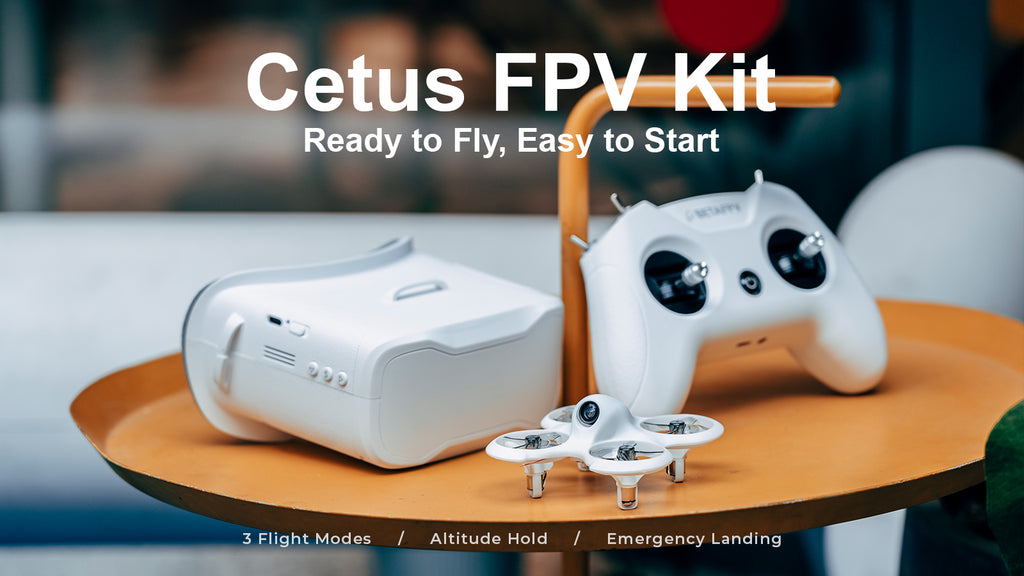
This is the one I hand to someone who has never touched FPV.
From BetaFPV — they’ve nailed beginner gear.
Why it works:
- Has altitude hold (huge confidence boost)
- Comes with 3 flight modes:
- Normal (training wheels)
- Sport (getting real)
- Manual (full FPV control)
- Ducted props → you won’t destroy walls or fingers
- Survives crashes. A lot of them.
The one thing you cannot ignore:
Start in Normal mode. Don’t act brave.
I’ve seen people skip that and quit in 10 minutes.
2. EMAX Tinyhawk III RTF Kit (When You Want More Power)


From EMAX — this is a step up.
Still beginner-friendly… but less hand-holding.
Why people love it:
- Better speed and outdoor capability
- Stronger motors
- More “real FPV” feel
Where people mess up:
They fly this indoors like a toy.
It’s not. It’s fast enough to break stuff.
3. DJI Avata (If Budget Isn’t Your Problem)


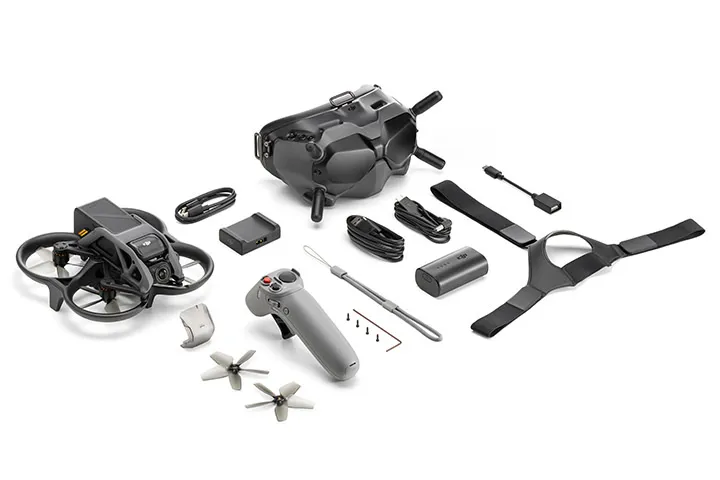
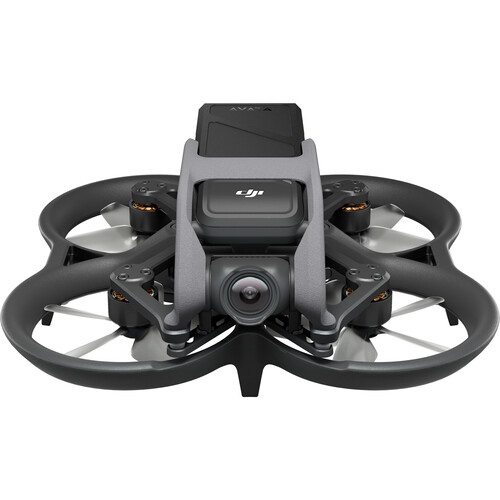
From DJI — completely different category.
This is FPV made easy… but expensive.
What makes it beginner-friendly:
- GPS stabilization
- Emergency brake button
- Incredible video quality
But here’s the truth:
This doesn’t teach you real FPV control.
It teaches assisted flying.
Good for cinematic shots. Not for learning freestyle skills.
Quick Comparison (So You Don’t Overthink It)
| Kit | Difficulty | Where It Shines | Biggest Limitation |
|---|---|---|---|
| Cetus Pro | Very Easy | Learning basics safely | Limited power |
| Tinyhawk III | Medium | Real FPV feel | Less forgiving |
| DJI Avata | Easy (assisted) | Cinematic flying | Expensive + less skill-building |
The Hidden Problem Nobody Tells You About (Goggles)
You think the drone is the hard part?
No. It’s the goggles.
Cheap analog goggles (like in Cetus/Tinyhawk kits):
- Slight static
- Lower resolution
- But low latency (important)
Digital (like DJI):
- Crystal clear
- But more expensive
What matters more than clarity?
Low delay (latency).
If there’s lag, your brain disconnects from the drone. That’s when crashes happen.
The 30-Second Check Before You Buy Anything
Do this or regret it later.
- Indoor flying? → Cetus Pro
- Small outdoor spaces? → Tinyhawk
- Big open areas + budget? → DJI Avata
That’s it. Don’t overcomplicate.
The Skill Gap That Hits Everyone (And How To Skip It)
Here’s where most beginners quit.
They try to learn flying while crashing in real life.
Bad idea.
Use a simulator first. Even 1–2 hours.
Try:
- Liftoff
- DRL Simulator
It saves money. And ego.
When People Think “The Drone Is Broken” (It’s Not)
Seen this too many times.
Symptoms:
- Drifting
- Hard to control
- Random crashes
Real causes:
- Wrong flight mode
- Over-controlling sticks
- No calibration
- Flying indoors with wind from fans
The fix most people miss:
Lower your rates (sensitivity).
Default settings are often too aggressive for beginners.
Still Crashing? Good. That Means You’re Learning.
No one flies smoothly on day one.
The difference between someone who sticks with FPV and someone who quits?
They accept this:
- You will crash
- You will feel lost
- Then suddenly… it clicks
Usually around hour 3–5.
If You Want My Straight Recommendation
Don’t overthink this.
- Want safest start → Cetus Pro
- Want room to grow → Tinyhawk III
- Want cinematic flying → DJI Avata
If this is your first ever FPV experience, go Cetus.
Always.
Everything else can wait.
You don’t need the “best drone.”
You need the one that lets you survive long enough to learn.